Color Guard SVG Cut File Review
First Impressions: Bold, Clean, and Ready for Action
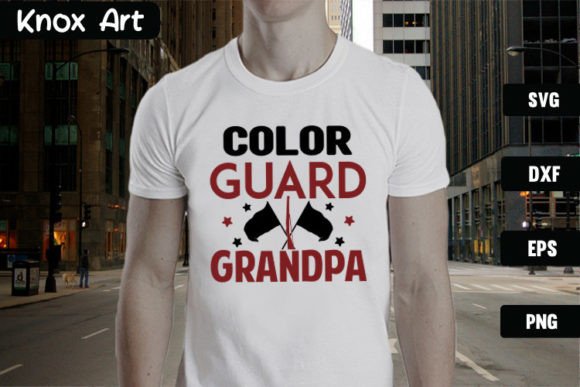
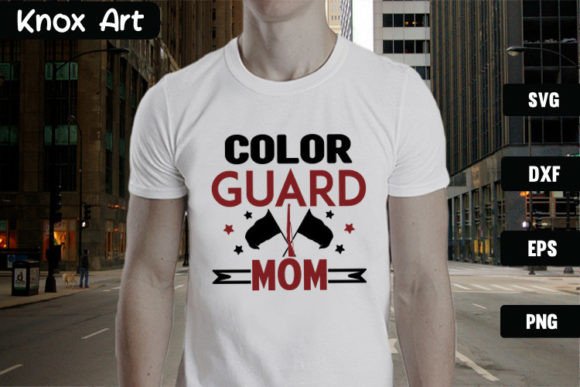
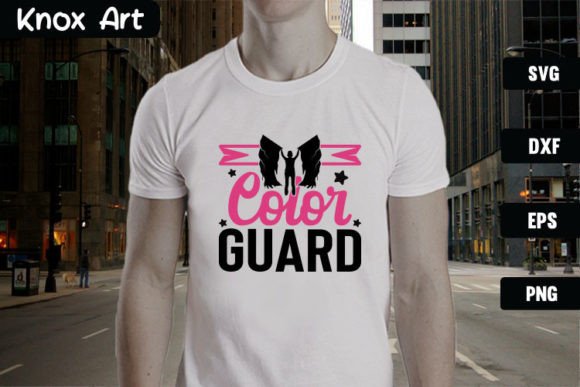
Opening the Color Guard SVG Cut File, I immediately felt its energy — sharp lines, confident symmetry, and a strong visual rhythm that echoes marching precision. It’s not fussy or overly ornate; instead, it leans into bold silhouettes and balanced negative space. That’s a huge plus when translating to embroidery. As a designer who regularly converts digital graphics into stitched reality, I appreciate how this design avoids tiny interior details, tight corners, or fragile serifs — all common pitfalls in machine embroidery designs. It reads clearly at 3–4 inches wide, which is ideal for sweatshirt fronts, tote bag centers, and embroidered patches.
A Real-World Test: Custom Embroidered Tote Bags for a Marching Band Fundraiser
Last month, I used the Color Guard SVG Cut File as the centerpiece for a batch of custom cotton canvas totes for a local high school’s color guard booster club. We paired it with navy thread on light heather gray fabric — simple, professional, and instantly recognizable. The design held up beautifully across 25+ bags, even with varied hoop placements and two different embroidery machines (a Brother PR680 and a Janome MB-4S). No skipped stitches, no thread breaks, and no distortion in the flagstaff or banner curves. That tells me the vector construction is clean — no overlapping paths or stray anchor points that trip up embroidery software during conversion.
Where It Shines (and Where It Needs Care)
The Color Guard SVG Cut File excels on stable, medium-weight fabrics: cotton twill for aprons, fleece-lined sweatshirts, structured caps, and linen tea towels. Its open layout allows breathability in fill stitch areas, reducing stiffness — critical for baby embroidery or lightweight pillow covers. On dark fabric? It pops cleanly with high-contrast thread (white or metallic silver works especially well). For holiday embroidery or wedding gifts, I’ve layered it subtly over tonal embroidery motifs — think gold thread on charcoal wool blend — and it retained dignity without overwhelming.
But be thoughtful on stretchy knits (like jersey tees) or textured surfaces (terry cloth towels, bouclé blankets). Without proper cutaway stabilizer and careful hooping, the outer edges can pucker slightly. Tiny lettering — if your version includes a quote like “It’s a Color Guard Thing” — may need simplification before digitizing; the original SVG isn’t inherently embroidery-ready, so treat it as a *design starting point*, not a plug-and-stitch file. Likewise, curved surfaces like baseball caps demand repositioning and possibly manual path adjustment — the flat geometry of the SVG doesn’t auto-adapt.
Commercial Use & Customer Impact: More Than Just a Graphic
As an Etsy seller and small shop product developer, I pay close attention to how a design affects perceived value and buyer trust. The Color Guard SVG Cut File lands as authentic, not generic — it signals insider pride without cliché. Customers recognize it instantly, whether on a boutique nursery decor pillow or a personalized graduation gift. That recognition builds confidence: buyers feel they’re getting something meaningful, not just another clipart-style graphic. For craft business owners, that translates directly to higher perceived value, stronger brand consistency, and better repeat engagement.
I’ve used it successfully in both personal and commercial embroidery projects — from custom embroidered patches sold at craft fairs to branded kitchen towels for a marching band-themed café pop-up. In every case, the design reinforced professionalism. It doesn’t look “designed by someone who’s never stitched,” which matters deeply to discerning buyers and wholesale partners alike.
Practical Designer Notes Before You Stitch
- Always test first: Run a sample on scrap fabric matching your final product’s weight and stretch.
- Check thread color contrast: What reads boldly on screen may vanish on dark fabric — mock it in grayscale before stitching.
- Review stitch density: If converting to embroidery format yourself, avoid overfilling banner folds or flag ends — keep density moderate for durability and drape.
- Confirm hoop size: The design fits comfortably in a 5x7 hoop, but verify your layout leaves room for jump stitches and frame clearance.
- Inspect small details: Zoom in on any quote text or emblem flourishes — if they’re under 1/8 inch tall, consider simplifying or omitting for legibility.
- Use proper stabilizer: Tear-away for stable wovens; cutaway for knits or high-wear items like tote bags.
- Licensing check: Since this is a digital embroidery file marketed for commercial use, confirm the license permits finished product sales — especially if you’re an Etsy seller or small shop owner.
Beyond T-Shirts: Why This Fits So Many Graphics Use Cases
Though categorized under T-Shirt Designs, the Color Guard SVG Cut File transcends that label. Its clean outlines and rhythmic spacing make it ideal for applique design workflows, too — think satin stitch borders around a fabric flag insert on a denim jacket. As a Graphics asset, it scales gracefully for printable mockups, social media banners, and digital product previews. I’ve even repurposed elements (like the staff silhouette or banner curve) as standalone motifs in nursery decor collections — proof that strong foundational graphics support long-term design reuse.
Final Thought: A Reliable, Human-Centered Design Asset
This isn’t a flashy, trend-chasing graphic — it’s a quietly capable one. The Color Guard SVG Cut File respects the realities of embroidery: fabric behavior, thread limitations, customer expectations, and the handmade product ethos. It delivers clarity without compromise, personality without clutter, and versatility without vagueness. Whether you’re prepping for a craft fair, building an Etsy shop’s signature line, or fulfilling a custom apparel order, it earns its place in your design assets — not as decoration, but as dependable, real-world embroidery fuel.